Europe’s Top Choices for Travel this Fall
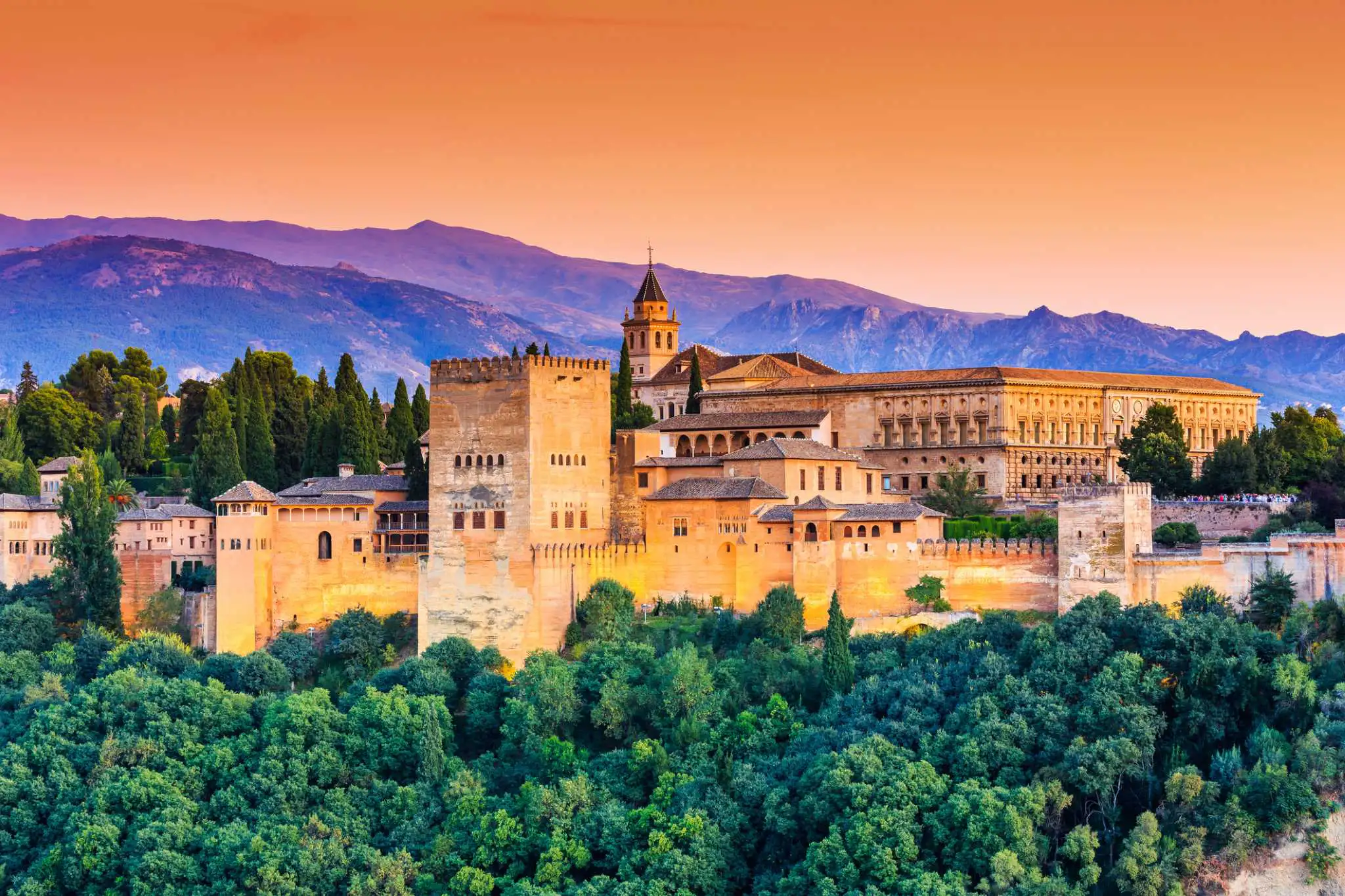
The travel trend for Europe has always been the Summer. During a time when most students have off in the US and Europe. This means families and friends are taking time to create special moments with one another by traveling to their dream destination. We have all heard it before, the dreaded “peak season” when site-seeing lines seem to wrap around countless corners. Or maybe you have heard of Europe’s strong Summer heat waves? With the lack of powerful AC, (if any at all) we’re so accustomed to. Rather than exploiting why Summer travel is not so favorable, here are some great reasons to capitalize on traveling to Europe during the Fall. Europe is simply stunning in the fall, with vibrant autumn colors across cities and landscapes. In September, October, and November, the low sun and early morning mists shroud the countryside and architecture, making every visit, and social media pic worthy!
As always, we recommend planning your vacations ahead for many reasons. You’re guaranteed to lock in your dream accommodation (down to the view) that you saw online somewhere. You will have the first selection of the best guides and ensure any all of your tours will be available. Did you know that some museums require you to purchase tickets at least 45 days in advance? With advanced reservations and traveling during a shoulder season, is when you will experience the local culture to its fullest. Below is a list of the countries we have selected for traveling to this Fall.
Italy
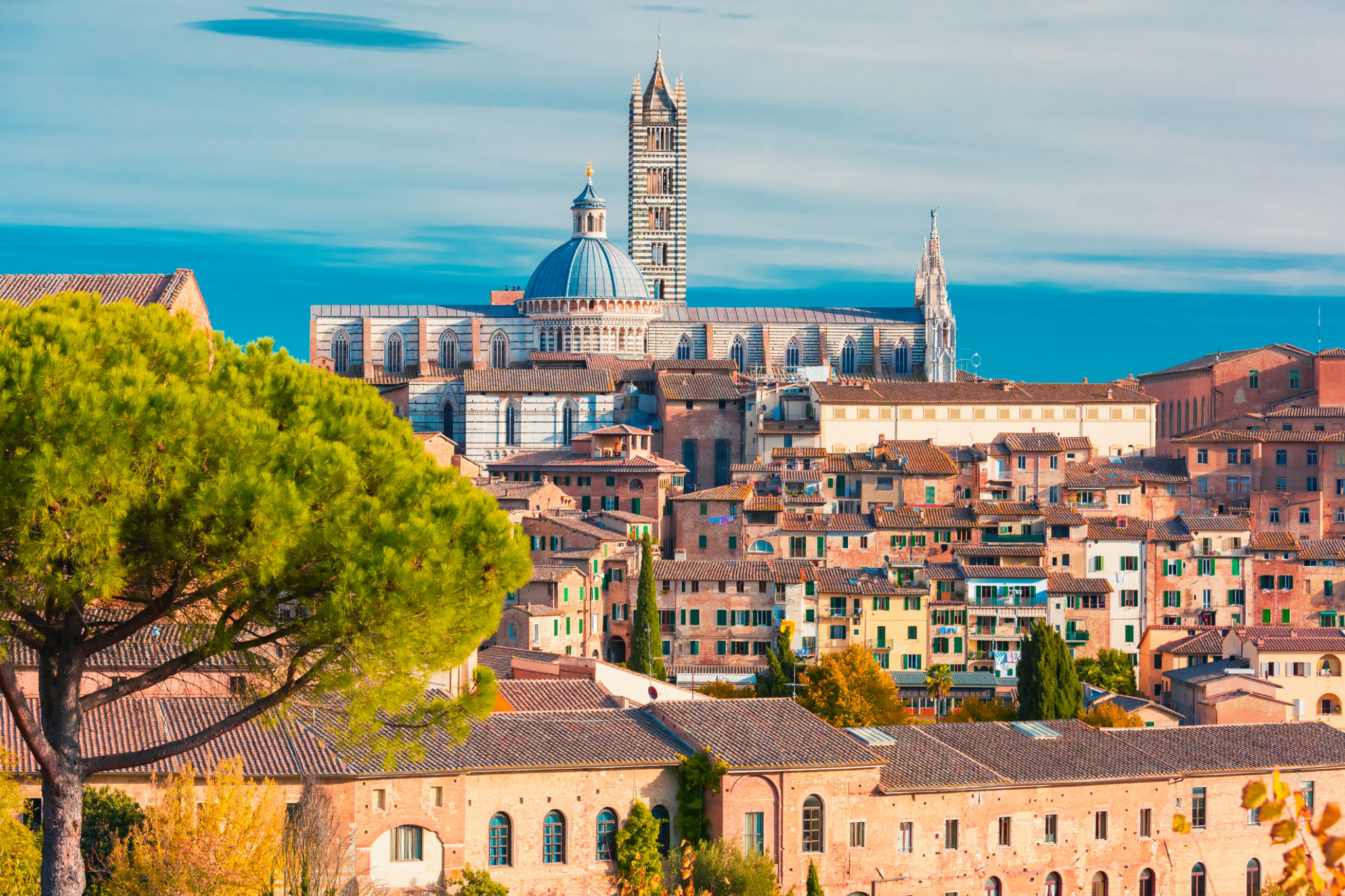
In Italy, Autumn temperatures will differ depending on what month you’re visiting and where in the country you’ll be (the northern parts are nearly always much cooler than the southern parts), so be sure to check regional temperature averages but also an actual current forecast before you start packing. Don’t be surprised if you’re throwing both sunglasses and an umbrella in your bag.
If you’re thinking about traveling to Italy this Fall then here are our top choices and reasons why. The fall months include harvest festivals of all kinds throughout Italy. These celebrations are mostly in small towns, not cities, and include EuroChocolate in Perugia, the White Truffle Festival in Alba, CioccolaTÒ in Turin, and a Prosciutto Festival near Parma. Other holidays and events in the autumn include All Saints Day, the Regata Storica in Venice, Juliet’s Birthday in Verona, and the International Film Festival in Venice. Crowds don’t really thin out until mid-September, so plan accordingly.
Germany
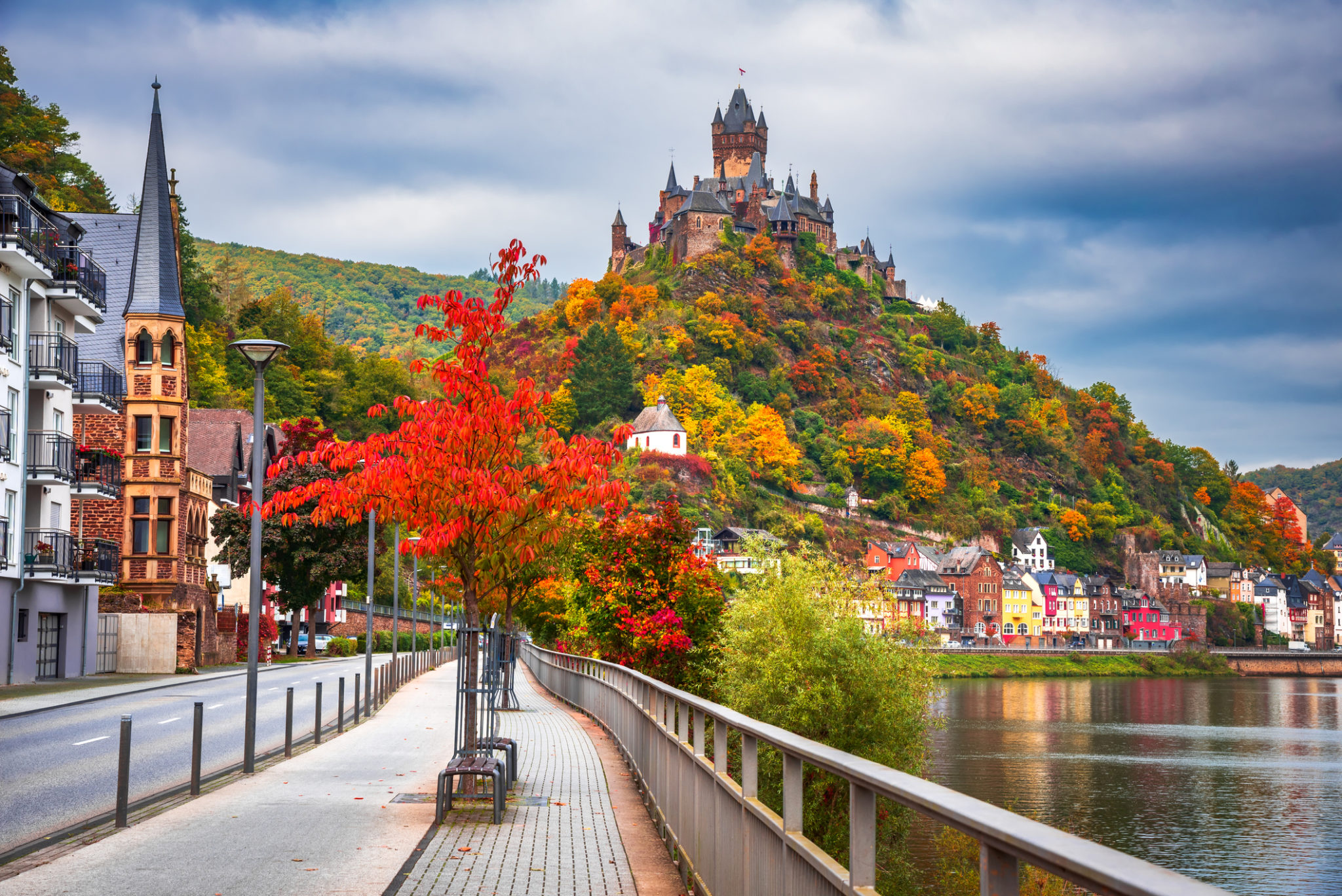
The Fall in Germany has so much to offer other than your typical Oktoberfest. While this is the highlight of the season, and—for many visitors—the whole trip. Every fall from late September to early October, over 6 million visitors from all over the world come to Munich to drink beer, eat bratwurst, and join together for this massive party. The festival is a colorful celebration of Bavarian culture and cuisine and perhaps the quintessential German event. The peak season for wine festivals are in August and September, and there are literally over a thousand of them that take place around the country. Just a few examples include the festivals in Stuttgart, Frankfurt, Bad Dürkheim, and Neustadt. Held every year on October 3, Day of German Unity, is a national holiday commemorating the reunification of East and West Germany. You may see special events or parades happening around the country on this day. While Halloween doesn’t really have a place in German culture, pumpkins have their own festival in the fall with dramatic chainsaw sculpting and pumpkin boat races at a palace. This Holiday is known as Ludwigsburg Pumpkin Festival. It takes place in the town of Ludwigsburg, just a few miles south of Stuttgart. The holiday season kicks off in November when Christmas markets start appearing in town centers across the country. Almost every city has its own version and it’s one of the most authentically German ways to get into the Christmas spirit, especially if you have a cup of hot mulled wine in hand.
The climate of most of Germany is moderate with four distinct seasons, and fall means cooler days, brisk nights, shorter days, and changing leaves. Some areas, such as the northern coastline, feature a maritime influence and experience more temperate weather. Meanwhile, the Alps of Bavaria in the south will get much colder must faster, and likely have already accumulated snow by the end of autumn. In September and October, the weather in Germany is still pleasant with golden days ablaze in colorful fall foliage. Germans call these last warm days of the year altweibersommer and revel in the last long, light-filled days. Nevertheless, German weather is unpredictable. Be prepared for cold and rainy spells and observe the colorful leaves before they are blown away. As fall nears its end in November, the days shorten considerably and can be quite cold and grey.
France
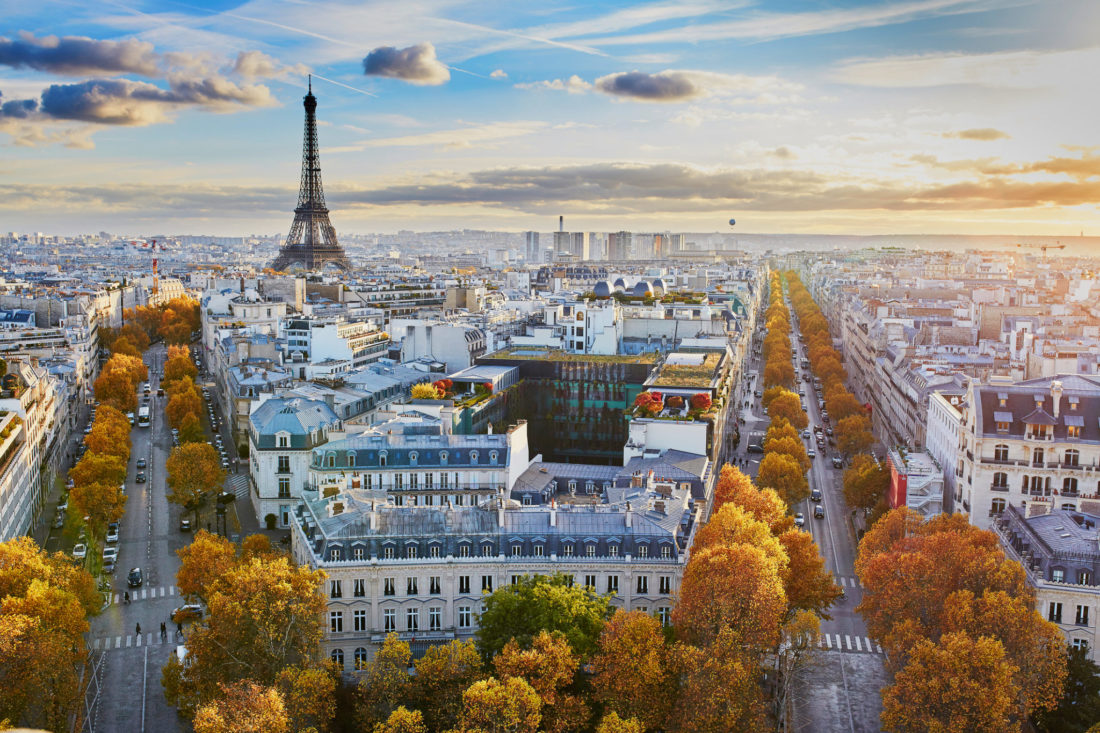
Fall in France is a great season for long walks outdoors and the display of reds, yellows, and browns that nature has in store. Also, you can take advantage of the off-season to explore the most popular cities in France. As the summer crowds clear out and the hotels empty, it’s easier to find cheaper flights and lower accommodation prices throughout the city during the French autumn. As a bonus, lines for the main tourist attractions are shorter, and patience is higher as the city quiets down in preparation for the winter holidays.
Our first choice for travel in the Fall for France is the Provence region. Aix-en-Provence sees temperatures ideal for sightseeing – warm enough for shorts during the day and light sweaters in the evenings – and it is less crowded and much more comfortable to explore than during the summer season. If you’re visiting Aix-en-Provence for the first time, don’t miss its colorful markets so typical of Provence. Also, consider taking this historical and gourmet walking tour to learn the stories behind the magnificent City of 1000 Fountains and its food. Paris is always a good idea but it is especially beautiful when the trees turn from green to ocher. In Paris, the Luxembourg Gardens, the Tuileries Garden, and Parc Buttes Chaumont offer enchanting settings that never disappoint. Just over an hour, south and south-west of Paris, the forest of Fontainebleau and the Versailles gardens are ideal destinations to admire the fabulous colors that autumn has to offer. We also recommend these easy day trips from Paris by train are Parc de Sceaux, Vallée de Chevreuse, Bois de Vincennes or Bois de Boulogne. If you enjoy fall landscapes like Canada has to offer, then head to the four lakes region in the Jura. In the Jura, autumn offers a landscape of great beauty, with the turquoise or sapphire waters of the lakes that contrast with the ocher expanses of the surrounding vegetation. There are also many picturesque villages and great food (check out our fall road trip through the Jura) September and early October is the best time to visit this area.
Spain
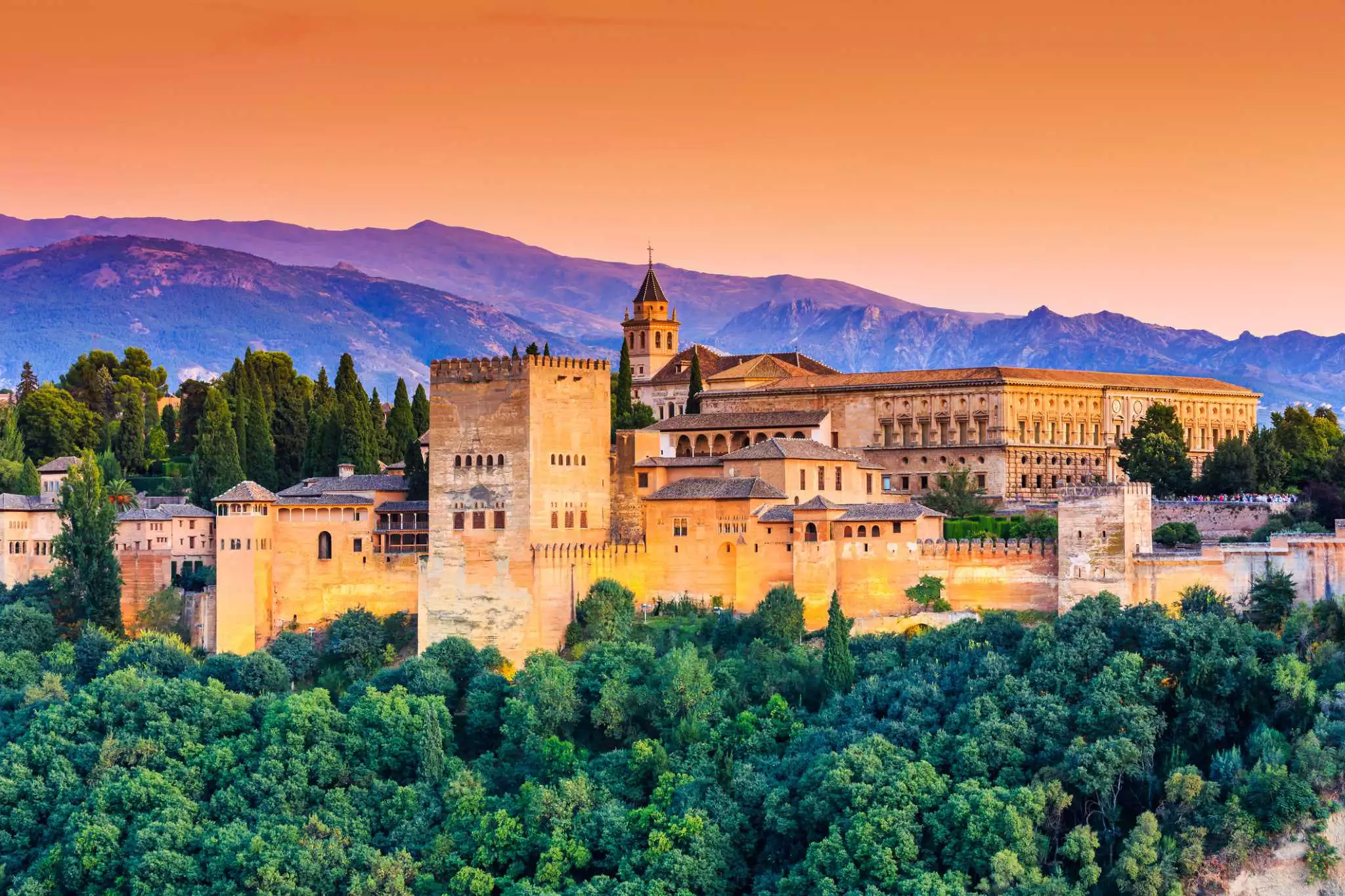
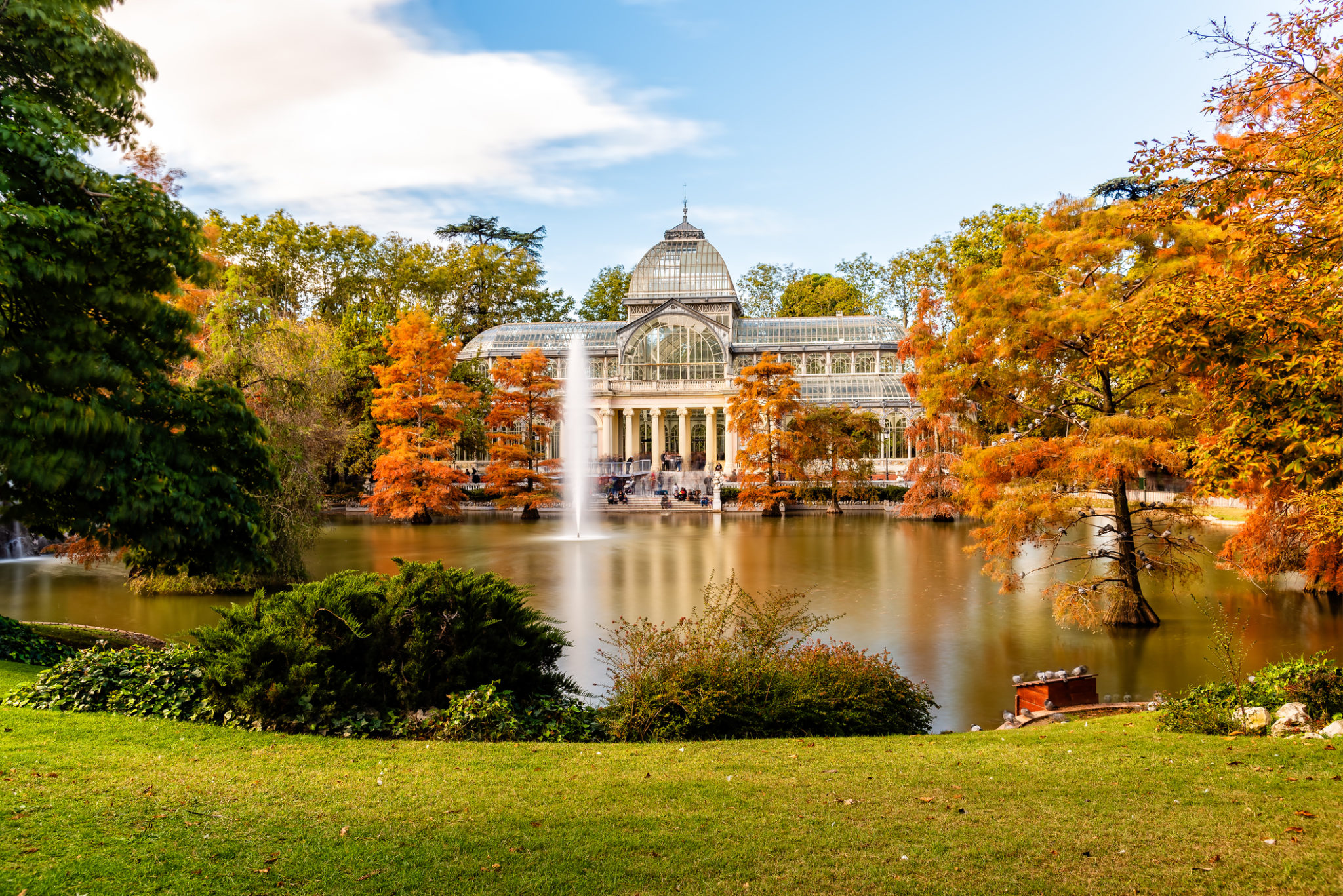
With the average temperatures ranging from 60-70 the Autumn weather in Spain is perfect for siteseeing. With the tourist crowds calming down from the Summer rush, the city and its citizens seem to prepare for winter and also have a relaxing vibe to them. Depending what you are looking for out of trip, hitting the main cities and sites. Or exploring and hunting for the beautiful fall colors. Spain has it all especially beautiful Moorish architecture, which is one of our favorites.
If you are seeking those amazing Autumn colors then first on our list would have to be, Pyrenees of Huesca, this is one of the most beautiful medieval villages in Spain. After walking through its streets, the Ordesa valley awaits, part of the national park of the same name, which in the fall season looks spectacular. Our next choice is Vega del Pas (Cantabria). The peculiar stone architecture of this region combines perfectly with the viberant green and ochre of the landscape. Admire the beautiful Romanesque buildings such as the Collegiate Church of Santa Cruz de Castañeda. There are so many great places to visit during this time of the year, that it will require it’s own post entirely. For now we will keep it short and sweet. A few of favortie things to do which fall in October is the Bareclona Jazz Festival and the Grape Stomping season.
Portugal
While most of the Europe (northern countries) really begin to cool down in September, Portugal is still warm during the day with cool breezes picking up at night. The ocean waters are actually the warmest of the year during September. However, once mid October rolls around the temperatures do start to drop with rain picking up in November. In Lisbon, the average temperature during the day reaches a high of 72 degrees F and at night dips down to around 57 degrees F. This time of year has higher than usual humidity rates, averaging from 68 to 80 percent, but it’s not terribly uncomfortable since the temperatures are mild. You can expect rain for about half of the days of the month. The warmer Portuguese parts are Lisbon and the Algarve, the southernmost coastal cities. Porto and the Douro Valley are a little cooler in October than the rest of the country. For example, in Porto, the average temperature is about 10 degrees cooler at 61 degrees F. But, it is still nice enough to enjoy a glass of Port wine on a rooftop while looking out at Porto’s skyline
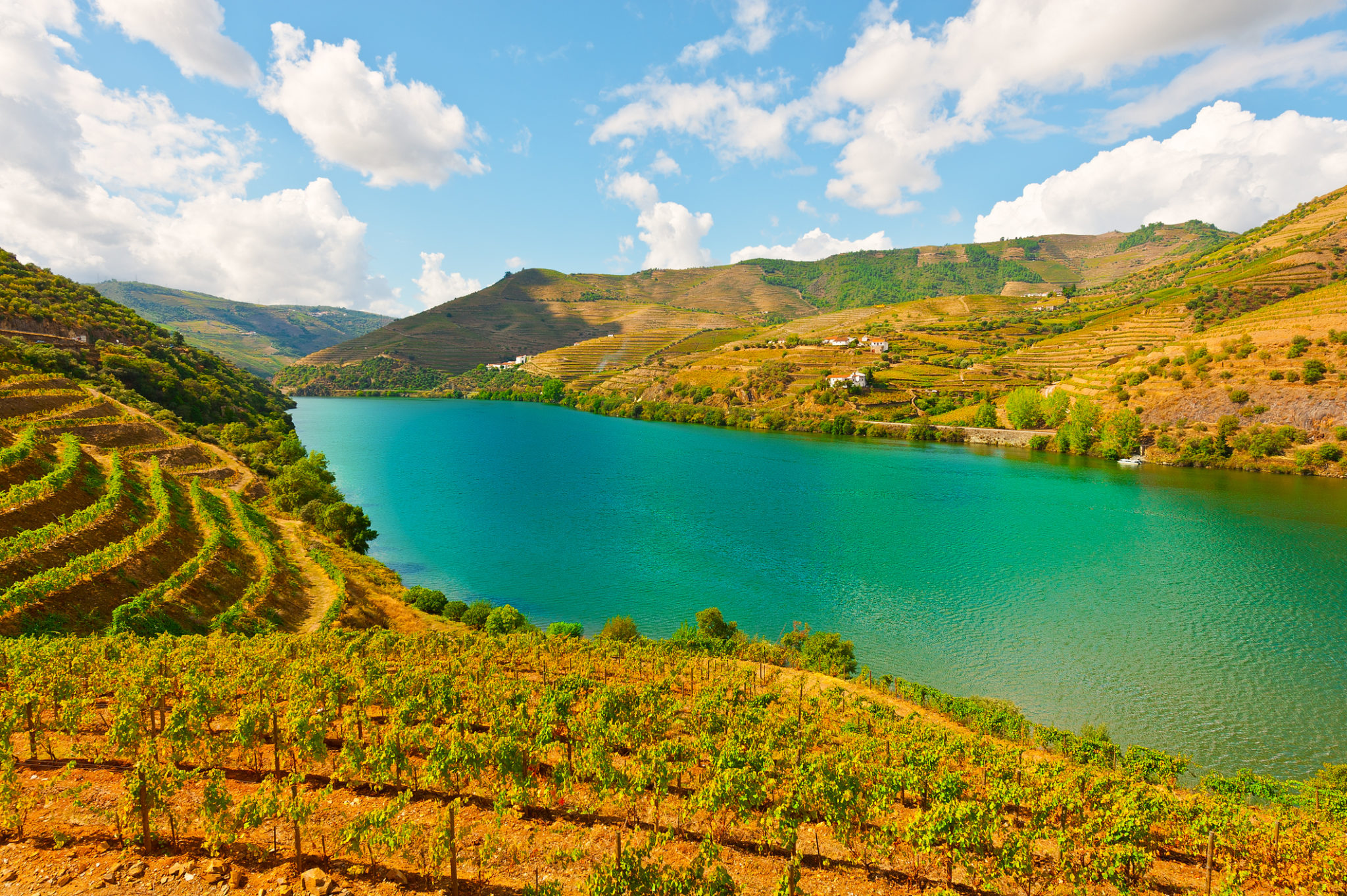
A UNESCO-listed World Heritage Site, the Douro Valley is beautiful and stunning on its own but is even more spectacular during the Autumn months. The Douro Valley is one of Portugal’s main wine regions where the hills are covered in rows of terraced vineyards which turn to red and yellow as autumn casts its spell. Start your journey with a pick-up in Porto. After arriving at the Douro, you’ll have the chance to stay at a local winery, visit some amazing estates, like Quinta da Pacheca, for example, and try some of the best and delicious wines produced in the region. Last but not least don’t forget to enjoy the Harvest season in this outstanding region, you won’t regret it.
Established in 1971, Parque Nacional da Peneda-Gerês is Portugal’s first and only national park. While visiting Porto or Northern Portugal, a visit to the National Park is definitely a must. This 703-sq-km (436-sq-miles) park encompasses windswept peaks, valleys of woodland, quaint towns, mountain streams, waterfalls, and breathtaking views. Explore first, the riverside town of Ponte de Lima, dubbed the oldest in the country. It is located within a short 30-minute drive from one of the park’s main entrances, it is a great base for exploring the region. For a deeper countryside experience, stay in Ameal Wine & Tourism Terroir. Also, don’t forget to visit a couple of wineries nearby where you can try the famous Vinho Verde, like the famed Quinta da Aveleda.
Serra da Arrábida mountain ridge stretches along the southeastern coast of the Setúbal Peninsula. It is located on the opposite bank of the River Tejo – a short 45-minute drive away from the city of Lisbon – and is a very popular destination due to the natural landscapes, particularly its green, lofty mountains edged by a long coastline of golden beaches. While visiting this region, also visit its main wine producers, like Quinta da Bacalhôa and José Maria da Fonseca Company. The first is an innovative winery, palace, and museum, which stands on a former royal estate dating back to the 15th century, complete with a formal miniature maze, a large pond, and vines within its walls. Five minutes away, are the original headquarters of José Maria da Fonseca, a family-owned company and the oldest producer of Muscat, the sweet dessert wine this region is known for.